
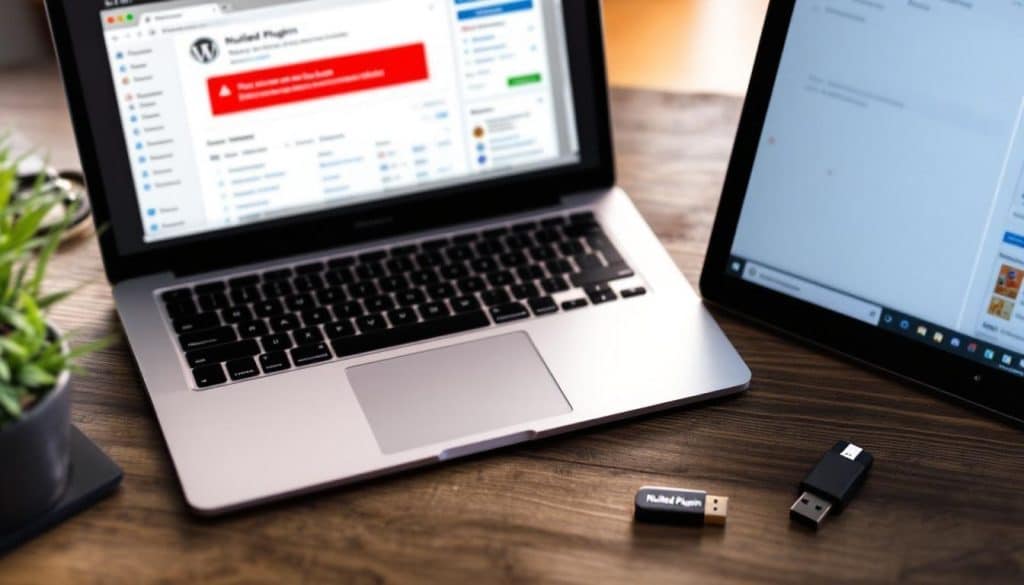
Nulled WordPress plugins promise premium features without the price tag, but this tempting offer comes with serious hidden costs.
We at Pluginizer have seen countless websites compromised by these illegal plugin copies. The risks extend far beyond legal issues into dangerous security vulnerabilities and site-breaking malfunctions.
This guide exposes why nulled plugins threaten your website’s safety and reputation.
What Are Nulled WordPress Plugins
Nulled WordPress plugins are cracked versions of premium plugins that hackers distribute illegally without valid licenses. These modified files remove licensing checks and payment requirements, which allows users to install expensive plugins for free. The process requires reverse-engineering the original code to bypass authentication systems that normally verify purchases. Hackers and piracy groups create these versions when they remove security measures and often inject malicious code during the modification process.
Definition and How They Work
Premium plugin developers build authentication systems into their software to verify legitimate purchases. Nulled versions strip away these protective measures through code manipulation and file modification. The crackers replace original licensing functions with dummy code that tricks the plugin into thinking it has valid authorization. This process breaks the connection between the plugin and its official update servers (leaving users without security patches). The modified plugins often contain additional code that the original developers never wrote or approved.
Where Nulled Plugins Come From

Underground distribution networks spread nulled plugins through torrent sites, illegal forums, and shady marketplaces that operate outside legal boundaries. Sites like NulledTeam, WPNull, and dozens of similar platforms host thousands of cracked plugins with regular updates. According to WPScan statistics, there are over 13,974 vulnerable plugins documented in their database. These distribution networks often bundle multiple plugins together, which makes it impossible to verify which versions contain malware. The operators frequently change domain names and hosting locations to avoid legal action from plugin developers.
Legal and Licensing Issues
Using nulled plugins violates copyright law and software licensing agreements in most countries. Plugin developers spend months creating these tools and deserve compensation for their work. When you download nulled plugins, you participate in software piracy that can result in legal action against you. The original developers lose revenue that funds ongoing development, security updates, and customer support. Many companies now employ legal teams specifically to track down and prosecute nulled plugin users. WordPress hosting providers increasingly terminate accounts that host pirated plugins, which leaves website owners scrambling to rebuild their sites on new platforms.
These legal risks pale in comparison to the security threats that nulled plugins introduce to your website.
Security Risks of Nulled Plugins
Nulled plugins transform your WordPress site into a playground for cybercriminals who exploit malicious code that hackers embed during the modification process. Sucuri research reveals that a total of 473,135 sites were detected with injected malware and redirects, accounting for 69.46% of website infections detected by SiteCheck in the first half of 2024, with nulled versions representing the highest risk category.

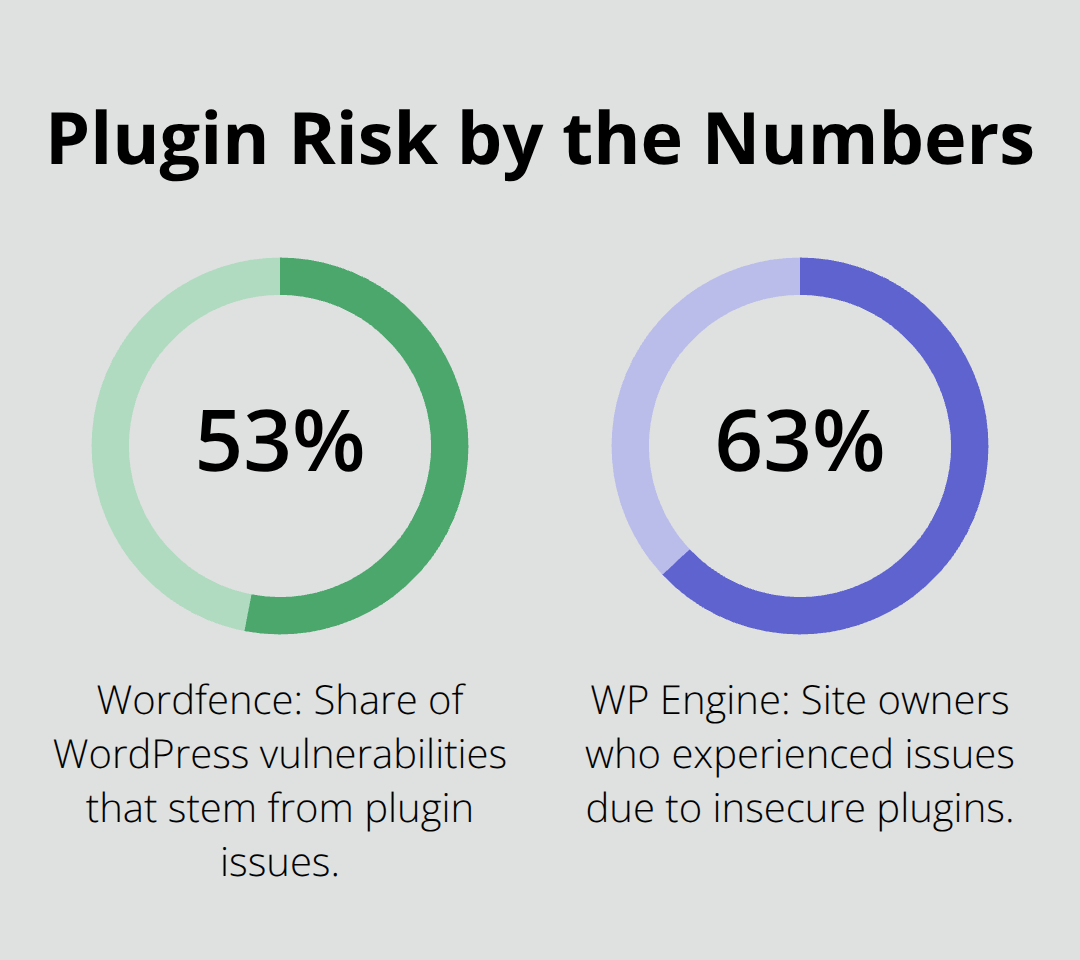
Hackers inject backdoors during modification that grant them permanent access to your server, even after you remove the plugin. These backdoors operate silently in the background and harvest login credentials, customer data, and financial information without detection. Wordfence data shows that 53% of WordPress vulnerabilities stem from plugin issues, with nulled versions responsible for the most severe breaches.
Malware and Backdoor Vulnerabilities
The malware that hackers embed in nulled plugins spreads beyond your WordPress installation to compromise other websites on the same server. These infected plugins install cryptocurrency miners that consume server resources, redirect visitors to phishing sites, and create spam email networks that damage your domain reputation. The malicious code often remains dormant for weeks before activation, which makes it nearly impossible to trace the infection source back to the nulled plugin. Automated attack scripts scan millions of sites daily for these vulnerabilities, and your website becomes an easy target when you install compromised plugins.
Data Theft and Privacy Breaches
Nulled plugins create vulnerabilities by design since they cannot receive official security updates. Hackers use these entry points to steal customer information, payment details, and sensitive business data from your database. The Cyber Readiness Institute estimates that businesses face losses exceeding $100,000 from single malware attacks (costs that multiply when outdated nulled plugins provide easy access). The Ponemon Institute found that the average time to detect a data breach reaches 207 days, which means nulled plugin infections can operate undetected for months while criminals harvest your information.
Lack of Updates and Security Patches
Legitimate plugins receive security patches within days of vulnerability discovery, but nulled versions remain frozen in their compromised state forever. WPScan has documented thousands of vulnerable plugins, with nulled versions representing permanent security holes that hackers actively target. Plugin developers cannot push updates to nulled versions because the modification process breaks the connection to official update servers. This leaves your website exposed to known exploits that security researchers have already identified and published. The performance and functionality problems that stem from these security gaps create additional headaches for website owners.
Performance and Functionality Issues
Nulled plugins destroy website performance through disabled features and broken code that developers cannot fix remotely. These modified versions strip out premium functionality to reduce file sizes, which means you receive incomplete software that fails to deliver promised capabilities. WordPress compatibility tests become impossible when plugins lack official update mechanisms, and your site breaks during major WordPress releases that occur every few months. The WP Engine survey found that 63% of WordPress site owners experienced issues due to insecure plugins, with nulled versions causing the most severe performance degradation and functionality loss.
Missing Features and Limited Support
Plugin developers build sophisticated systems that connect premium features to authentication servers, and nulled versions destroy these connections permanently. Contact forms stop sending emails, e-commerce functions fail during checkout, and SEO tools lose access to search engine APIs that require valid licenses. The modification process corrupts essential files and removes error reporting mechanisms, which makes troubleshooting impossible when features malfunction. SiteLock research shows that outdated applications pose security risks, leaving websites vulnerable to cyberattacks and data breaches, and nulled plugins represent the worst category since they cannot receive fixes for performance bugs or feature improvements.
Compatibility Problems with WordPress Updates
WordPress releases major updates every 120 days on average, and nulled plugins cannot adapt to these changes without official developer intervention. The modification process removes compatibility checks and update preparation code, which causes your entire website to crash when WordPress core files change. Automated WordPress updates become dangerous weapons that can destroy your site overnight when incompatible nulled plugins conflict with new core functionality (professional developers spend weeks testing their plugins against upcoming WordPress versions). Nulled plugin users face these compatibility disasters without warning or recourse when their sites break during routine updates.
Site Crashes and Technical Malfunctions
Modified plugins introduce code conflicts that crash websites during peak traffic periods when you need reliability most. The hackers who create nulled versions lack the expertise to maintain complex plugin architectures, and their modifications often break database queries and memory allocation systems. Error logs fill with cryptic messages that point to corrupted plugin files, but you cannot contact the original developers for support since you use pirated software. These technical failures compound over time as WordPress evolves and nulled plugins fall further behind compatibility standards (creating cascading problems that affect your entire website infrastructure).
Final Thoughts
Nulled WordPress plugins represent one of the worst decisions you can make for your website. The security vulnerabilities, legal risks, and performance problems far outweigh any perceived cost savings. These modified plugins expose your site to malware, data theft, and complete system failures that can destroy years of hard work.
Budget-conscious users have legitimate alternatives that provide premium functionality without security compromises. The WordPress repository offers thousands of free plugins that receive regular updates and developer support. Many premium developers provide freemium versions with core features available at no cost.
For comprehensive access to premium tools, Pluginizer offers unlimited access to over 15,000 premium plugins and themes for a single subscription fee. This approach provides legitimate licenses, continuous updates, and proper support while it remains cost-effective for agencies and developers who manage multiple sites. Professional websites require professional tools, and nulled WordPress plugins will never meet that standard (the $100,000 average cost of malware recovery makes premium plugin purchases look like bargains).